From Quarter Slots to Four-Figure Price Tags: Inside the Wild World of Vintage Arcade Cabinet Collecting
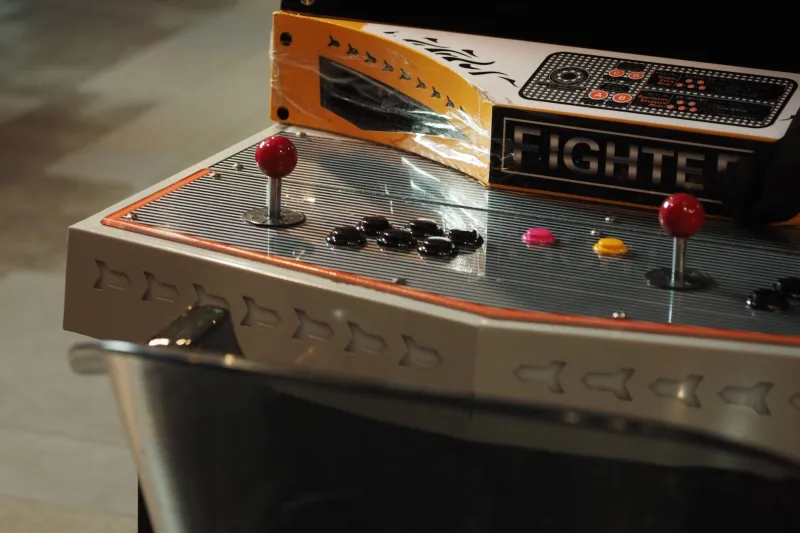
Somewhere in a climate-controlled garage in suburban Ohio, a man named Dave is carefully applying a heat gun to a water-damaged side panel on a 1980 Pac-Man cabinet. He's been at it for three hours. He doesn't mind. That machine, once fully restored, could be worth somewhere between $12,000 and $18,000 depending on the day, the buyer, and how good the marquee looks under a blacklight.
This is the world of vintage arcade cabinet collecting — part passion project, part financial gamble, part love letter to a era when a single quarter bought you three minutes of pure joy. And right now, that world is absolutely booming.
Why Everybody Suddenly Wants an Old Arcade Cabinet
Nostalgia has always had a price tag, but something shifted in the last five or six years. Pandemic-era spending gave people money and space to fill. Remote work turned garages and basements into dedicated game rooms. And a generation of Americans who grew up pumping quarters into machines at the local pizza parlor hit their peak earning years right around the same time.
The result? A secondary market that has gone from casual hobbyist territory to something resembling fine art collecting. Original arcade cabinets from titles like Donkey Kong, Galaga, Centipede, and Ms. Pac-Man routinely sell for five figures in good condition. A fully working, original Asteroids Deluxe cabinet sold at auction in 2023 for just over $9,500. A mint-condition Donkey Kong? Try $20,000 if the seller knows what they have.
And unlike a lot of collectibles, these things are big, loud, and playable. That combination of functional nostalgia and physical presence makes them uniquely compelling in a way that, say, a graded comic book simply isn't.
What Actually Makes a Cabinet Valuable
Not every old arcade machine is a treasure. The market is specific, sometimes brutally so, and understanding what drives value is essential before you spend a dime.
Originality is everything. Collectors call it "all-original" — meaning the cabinet has its factory artwork, original PCB (printed circuit board), original monitor, and hardware that hasn't been swapped out or modified. The moment you start replacing components with reproductions, even high-quality ones, the value drops. A Pac-Man cabinet with a reproduction bezel might look identical to a casual observer, but experienced collectors will spot it immediately and price accordingly.
Condition of the artwork. The side art, marquee, and control panel overlay are the visual soul of any cabinet. Fading, peeling, or water damage to these elements can slash value dramatically. Conversely, a machine with crisp, bright artwork that looks like it just rolled off the Midway Manufacturing floor? That's where the serious money lives.
Rarity of the title. Common titles like Pac-Man and Space Invaders have a massive collector base but also a massive supply. Rarer titles — think Popeye, Tapper, or certain regional releases — command premiums because fewer units were produced and even fewer survived intact.
Working condition. A machine that boots up, plays correctly, and sounds right is worth significantly more than a "project" cabinet. That said, non-working machines have their own market among restorers looking for a canvas.
Spotting Fakes, Franken-Cabs, and Reproductions
Here's where things get complicated. The reproduction market has gotten impressively good, and not every seller is upfront about what they're actually selling.
"Franken-cabs" are a common pitfall — cabinets where someone has taken a generic shell and dropped in a different game's hardware and artwork. They look the part at a glance but have zero collector value. A Galaga Franken-cab built from a generic cocktail cabinet, for example, is worth maybe $300. A real Galaga upright? Closer to $2,500 to $4,000.
Reproduction artwork has also flooded the market. Companies produce extremely accurate replicas of original side art and marquees, which is great for restoration but problematic for buyers who don't know what authentic aging looks like. Real 1980s artwork has specific printing characteristics — dot patterns, color fading in predictable ways, and texture from decades of handling. Repros, even good ones, tend to look a little too sharp, a little too saturated.
Some practical tips for authentication:
- Check the date codes. Original PCBs often have date stamps on components that should match the game's production year.
- Look at the wood. Original cabinets used specific materials and construction methods. Particle board seams, routing patterns, and hardware types can all tell a story.
- Blacklight everything. Reproduction artwork and repainted surfaces often fluoresce differently under UV light than original materials.
- Ask for provenance. Where did it come from? An operator who ran it in a real arcade location? That's a good sign. Someone who "found it" at an estate sale with no documentation? Proceed carefully.
The Restorer Community Keeping History Alive
Behind every pristine cabinet is usually a restorer who spent months sourcing parts, reverse-engineering failed circuits, and hunting down original artwork files from collectors who digitized them years ago.
This community — spread across forums like KLOV (Killer List of Videogames), dedicated Facebook groups, and local arcade clubs — is one of the most knowledgeable and generous in the hobby world. Members share schematics, 3D-print discontinued plastic components, and even manufacture replacement monitor chassis for monitors that haven't been commercially available since the Reagan administration.
Many restorers are also historians in a practical sense. They document what they find inside cabinets — operator stickers, regional modifications, hand-written notes from technicians — before they restore anything. It's a kind of archaeological approach to gaming history, and it's genuinely valuable for understanding how these games actually lived in the wild.
So You Want to Buy One: A Beginner's Roadmap
If this whole scene has you reaching for your credit card, pump the brakes just slightly and do it smart.
Start by picking a title you actually love. The market can shift, and if you end up stuck with a machine for a few years, you'll want to actually enjoy playing it. Join the online communities before you buy anything — KLOV and the Arcade Collectors subreddit are full of people who will answer questions, review listings, and occasionally alert the group to known bad actors in the market.
Set a realistic budget that includes restoration costs. Even machines listed as "working" often need capacitor replacements, monitor adjustments, or new power supplies within a year or two. Budget an extra $200 to $500 for maintenance on any machine you buy.
And see it in person before money changes hands. Photos can hide a multitude of sins — warped wood, hidden repairs, monitors that are one bad cap away from failure. If you're buying from across the country, find a local collector to do an inspection for you. Most will do it for free or a small fee.
The Bottom Line
Vintage arcade cabinets occupy this rare sweet spot where nostalgia, craftsmanship, gaming history, and real financial value all collide. They're not for everyone — they're heavy, they need maintenance, and the good ones aren't cheap. But for the right buyer, there's nothing quite like having a real piece of gaming history standing in your home, ready to play.
Dave in Ohio just got that Pac-Man cabinet looking factory fresh. He's already turned down two offers. He says he's not sure he wants to sell it anymore.
That's kind of the whole story right there.


