Put Down the Parental Controls: Why Playing With Your Kids Beats Policing Them
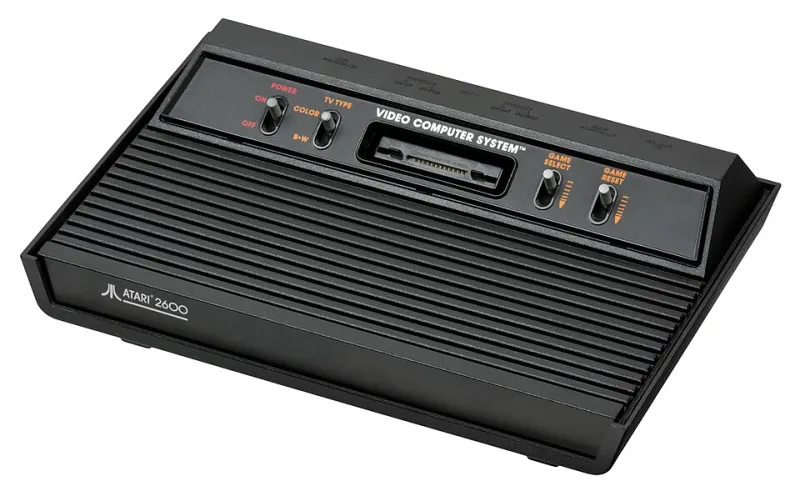
Photo: Evan-Amos, Public domain, via Wikimedia Commons
Let's be honest about how the average night goes in a household with kids and a console. Parent says time's up. Kid negotiates. Voices rise. Someone slams a door. Repeat tomorrow.
It's exhausting, and according to a lot of family therapists, it's also a missed opportunity. Because the fight over video games usually isn't about the games at all — it's about the fact that screen time happens in a separate room, in a separate world, where parents have no idea what's actually going on.
The families who've stopped fighting about it tend to have one thing in common: they play together.
The Minecraft Family
Take the Ortiz family from suburban Atlanta. Their nine-year-old, Sofi, was spending hours a day building in Minecraft, and her dad, Ray, was one more "five more minutes" argument away from uninstalling it. Instead, he asked her to teach him how to play.
"First session, I was hopeless," Ray admits. "I built a house with no doors. She made fun of me for a week." A year later, the two of them run a shared world with elaborate farms and a castle they've been adding to since last winter. Sofi's screen time argument? It mostly evaporated, because the time stopped being a solo escape and became something they do together — like board games, but with better graphics.
This is the pattern family counselors keep pointing to: when parents engage with what kids are doing instead of just restricting it, the secrecy and the conflict drop. Kids are far less defensive about limits when the adult in the room actually understands what a creeper is.
Competition Counts Too
It's not all cooperative building. Ask around and you'll find Mario Kart is basically the great unifier of American living rooms. A heated four-race series between a dad and his twelve-year-old is real family time, even if it ends in accusations of blue-shell warfare.
The rivalry is the point. Beating a parent at something — genuinely, fairly, over and over — is quietly great for a kid's confidence. And losing gracefully to your own child, on purpose or otherwise, models something worth modeling.
Five Games That Work for Mixed Skill Levels
If you want to try this at home, these are the titles that keep coming up from families who've made it work:
- Minecraft — Endless co-op building; a beginner and an expert can play side by side and both have fun.
- Mario Kart 8 Deluxe — Built-in assist features let younger or newer players stay competitive with veterans.
- Overcooked! 2 — Chaotic kitchen co-op that forces communication and produces hilarious failures. Great icebreaker.
- It Takes Two — A two-player adventure designed so both players always matter. Best for older kids and a parent.
- Animal Crossing: New Horizons — Low pressure, no losing, and visiting each other's islands is a gentle way to share a hobby.
Boundaries That Don't Start a War
Playing together doesn't mean no rules. The families who make it stick tend to follow a few simple principles:
- Set time limits before the console turns on, not during play. Negotiating mid-match guarantees a fight.
- Use the game's own timer. Most consoles now let you schedule play windows; the machine becomes the bad guy instead of you.
- Keep screens in shared spaces for younger kids, at least sometimes.
- End sessions on a natural break. "Finish this race, then we're done" goes over infinitely better than yanking the controller mid-level.
None of this requires you to become a gamer. It just requires showing up. One controller, thirty minutes, and a genuine question about what your kid is building can do more for the relationship than a year of parental control apps.
Game night was never really about the game anyway.