Built to Break: The Dirty Secret Behind Gaming Controllers That Won't Last
Let's be honest about something uncomfortable. You saved up, shelled out somewhere between $70 and $200 for a gaming controller, and within a couple of years the left stick started drifting into oblivion, a trigger button developed a mushy attitude, or the whole thing just gave up the ghost entirely. And somehow, you found yourself standing in a GameStop aisle doing it all over again.
That cycle isn't a coincidence. It's a pattern that's been building for years, and a growing number of gamers across the US are starting to ask the same question: are these things actually designed to fail?
The Drift Problem Nobody Wants to Talk About
If you owned a PlayStation 4 DualShock or an early Nintendo Switch Joy-Con, you already know about drift. The analog stick starts registering movement you never made. Your character walks into walls. Your camera spins on its own. It's maddening.
The culprit is usually a potentiometer — a small mechanical component inside the thumbstick that wears down with use. What's interesting is that manufacturers have known about this failure point for years. Nintendo faced a class-action lawsuit in the US over Joy-Con drift. Sony dealt with similar complaints about the DualSense. Microsoft hasn't been entirely immune either.
These components cost cents to manufacture. Replacing them with more durable Hall effect sensors — which use magnets instead of physical contact and last dramatically longer — is a known, available solution. Several third-party controllers already use them. Yet the major platform holders have been slow to adopt them in their flagship hardware. The question of why tends to lead somewhere uncomfortable.
What "Premium" Actually Costs You Over Time
Let's run the numbers on a typical gaming generation. Say you buy a standard controller at launch for $70. It develops drift or a broken bumper around the two-year mark — a timeline plenty of players report. You buy a replacement: another $70. Maybe you splurge on the "pro" version this time for $130, hoping better build quality means better longevity. That's $270 over four years on controllers alone, before you factor in any accessories.
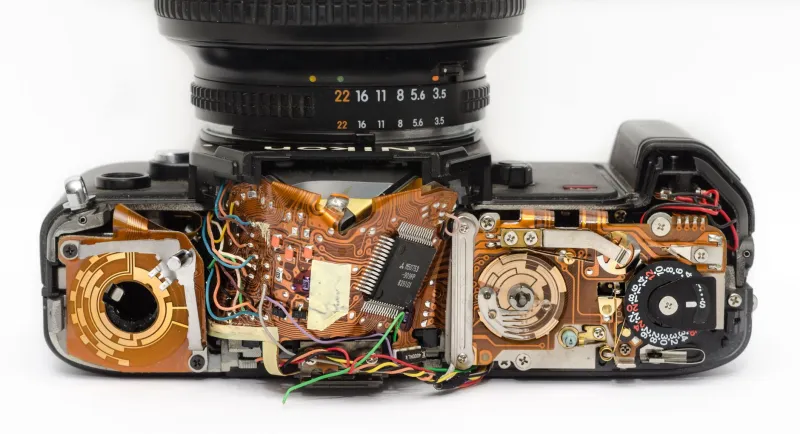
Repair is theoretically an option, but it's not always practical. Official repair services exist for some hardware, but they're often slow, geographically limited, or cost nearly as much as a new unit. iFixit and various YouTube tutorials have made DIY repairs more accessible, and the right-to-repair movement has been pushing for more consumer-friendly policies across the electronics industry. Still, cracking open a controller voids warranties and intimidates plenty of players who just want to game, not tinker.
Third-party repair shops are filling some of that gap, especially in larger cities, but the infrastructure is patchy. In rural America especially, your options often come down to ship it somewhere, fix it yourself, or replace it.
How the Brands Stack Up
Not all controllers are created equal when it comes to durability, and the differences are real.
Microsoft's Xbox controllers have generally earned a reputation for solid build quality, with the Elite Series 2 being particularly well-regarded — though its $180 price tag and reports of bumper failures on earlier Elite models complicate the picture. Sony's DualSense brought genuinely innovative haptic feedback and adaptive triggers to the PS5, but those same mechanical triggers have shown wear in heavy-use scenarios, and the drift issues plaguing its predecessor haven't entirely disappeared.
Nintendo's Joy-Cons remain controversial. They're clever, versatile, and central to the Switch experience, but their durability record has been rough enough to become a genuine cultural meme among Nintendo fans.
In the third-party space, brands like 8BitDo have built loyal followings specifically by prioritizing repairability and using Hall effect sticks. PowerA and Razer occupy different price points with varying results. The lesson seems to be that premium pricing from a major brand doesn't automatically translate to a longer lifespan.
The Environmental Tab Nobody's Picking Up
Here's the part of the conversation that tends to get skipped: all those broken controllers have to go somewhere.
Electronic waste is already one of the fastest-growing waste streams in the United States. Gaming peripherals — controllers, headsets, charging docks — contribute a small but meaningful slice of that total. When a $70 controller gets tossed after two years because a $3 thumbstick component failed, that's a circuit board, lithium battery, and housing full of plastics ending up in a landfill or, best case, an e-waste recycling facility.
Some manufacturers have made sustainability pledges, and Microsoft in particular has talked publicly about using recycled materials in packaging and hardware. But a controller made from recycled ocean plastic that still fails in 18 months doesn't really solve the underlying problem. Durability is sustainability, and the two conversations need to happen together.
What You Can Actually Do About It
So what's a gamer supposed to do? A few things, actually.
Look at the warranty before you buy. Most major controllers come with a one-year limited warranty in the US. Some retailers offer extended protection plans that can make sense for pricier hardware. Read the fine print on what's actually covered — drift has historically been a gray area.
Consider Hall effect controllers. If you're on PC or playing retro consoles, options like the 8BitDo Ultimate or Gulikit controllers use Hall effect sticks and have earned strong durability reviews. They're worth the look, especially if you've been burned before.
Don't write off DIY repair. Thumbstick replacement kits are widely available on Amazon for a few dollars, and if you're comfortable with a small screwdriver, the repair is often more approachable than it looks. iFixit has step-by-step guides for most major controllers. You'll void a warranty on a one-year-old controller that's already broken — that's not much of a loss.
Support right-to-repair advocacy. Several states have been moving right-to-repair legislation forward, and gaming hardware is increasingly part of that conversation. Organizations pushing for these policies are worth knowing about if this issue bothers you.
Buy refurbished when it makes sense. A certified refurbished official controller from a reputable seller can be a smart middle ground — lower cost, still functional, and one less new unit manufactured.
The Bigger Picture
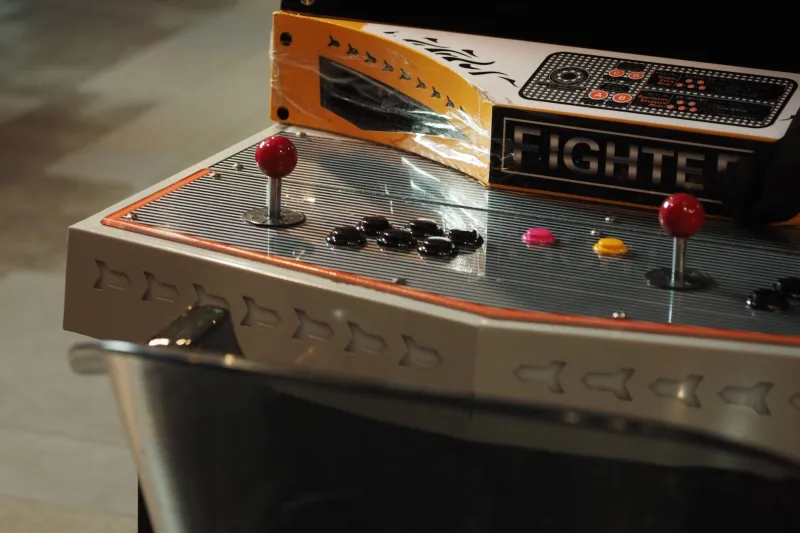
There's a certain irony in the fact that arcade hardware from the 1980s — built with off-the-shelf components and mechanical switches — is still running in bars and barcades across America, while a controller manufactured last year might already be on borrowed time. Durability used to be a selling point. Now it's almost a premium feature you have to seek out.
The gaming industry is enormous, and hardware sales are a significant revenue driver. There's a structural tension between selling more units and building things that last. That tension isn't unique to gaming — it shows up in smartphones, appliances, and cars too. But it stings a little more when the thing failing in your hands is supposed to be the gateway to entertainment, not another source of consumer frustration.
The good news is that awareness is growing. Players are talking about this more, third-party alternatives are improving, and the right-to-repair movement is gaining real traction. The controller in your hands might not last forever. But at least now you know why — and what you can do about it.