Your Library Card Is a Free Pass to Gaming (Yes, Really)
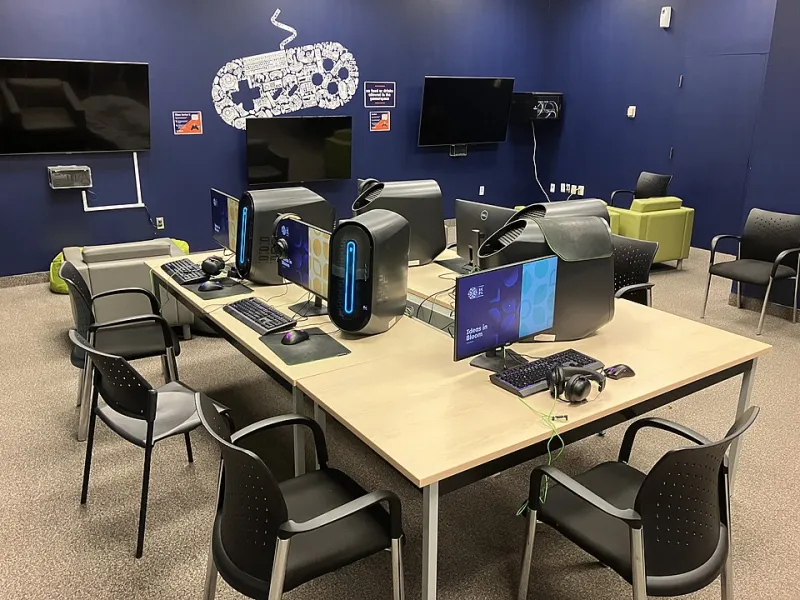
Photo: Gogerr, CC BY-SA 4.0, via Wikimedia Commons
On a rainy Saturday in Columbus, Ohio, a line forms outside a building that smells like paperbacks and floor polish. Nobody is waiting for a bestseller. They are waiting for a turn at a CRT television loaded with Super Mario Kart. Welcome to the public library, 2026 edition.
That scene is less unusual than it sounds. Across the US, libraries have spent the past few years quietly expanding beyond books into games, consoles, and community play events. The result is a strange but welcome mashup: part reading room, part arcade, part neighborhood hangout. And unlike almost everything else in gaming, the entry fee is usually zero.
The Quietest Arcade in Town
Libraries have always been good at stretching a dollar. A game collection fits that mission neatly. A single copy of a popular title can be borrowed by dozens of families over a year. A donated Nintendo Switch or a retired Xbox can anchor an after-school club. A projector, a few controllers, and a staff member who knows their way around Smash Bros. can turn a meeting room into a tournament venue.
That is the practical appeal. Gaming hardware is expensive, and not every household wants to gamble $70 on a game nobody ends up liking. Libraries let people test-drive titles, revisit old favorites, and try hardware they would never buy. For families, it is a low-stakes way to figure out what everyone actually enjoys. For adults, it is a reminder that gaming does not have to be a subscription you never cancel.
More Than a Shelf of Discs
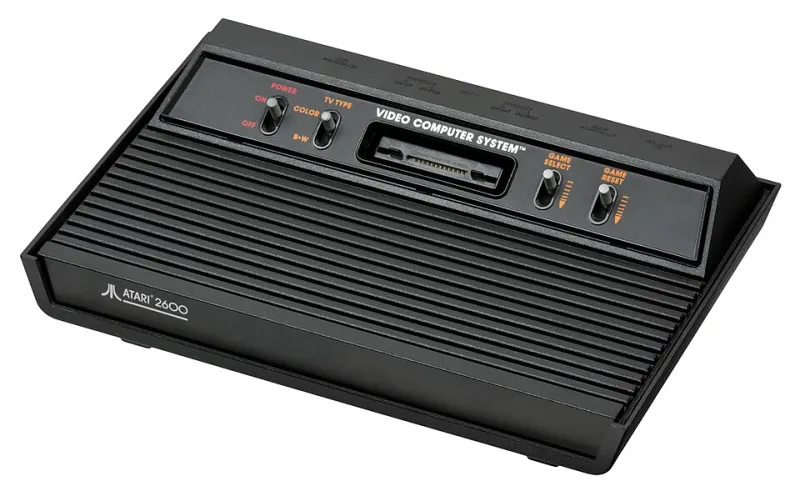
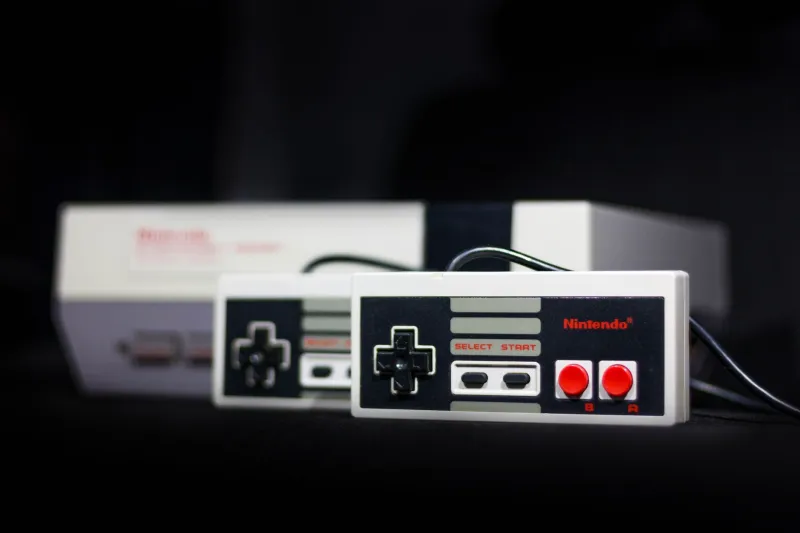
The modern library gaming scene is not just a rack of borrowed discs. Many systems now run what librarians call a Library of Things. That can include board games, controllers, VR headsets, retro consoles, and even tabletop role-playing kits. Some branches host monthly retro nights with original hardware. Others set up teen gaming clubs, family-friendly Mario Kart afternoons, or low-key puzzle nights that feel more like a coffee shop than a competition.
The vibe matters. Library gaming tends to be social, drop-in, and forgiving. Nobody is screaming at a teammate through a headset. Nobody is trying to sell you a battle pass. You show up, you play, and you maybe make a friend who also thinks The Legend of Zelda: A Link to the Past holds up perfectly.
Why Libraries Make Sense for Gaming
There is a reason this trend keeps growing. Libraries are trusted public spaces. They are free. They are usually accessible by bus or on foot. They have staff who are used to helping people figure things out. And they are designed for exactly the kind of casual, communal play that a lot of gamers say they miss.
They also solve a quiet problem in gaming: discovery. Storefronts are optimized for what is new and heavily promoted. Libraries are optimized for what people actually want to borrow. That means a kid might stumble onto a strategy game, a retired teacher might try a cozy farming sim, and a teenager might discover that Pac-Man is still weirdly stressful in the best way.
The Rules Are Part of the Charm
Library gaming comes with a few realities. Collections vary wildly by branch. A big-city library system might have a robust console lending program, while a small-town branch might have a shelf of board games and a donated Wii. Loan periods can be short. Popular games have waitlists. Controllers get worn out. And yes, you will probably need to return things on time.
Those limits are not a dealbreaker. They are part of the appeal. A three-week loan is enough to finish a short indie game or decide whether a big open-world epic is worth your time. A waitlist encourages you to try something else. A library event has a start and end time, which is a healthy counterweight to the endless scroll of modern gaming.
How to Make Your Library Card Work Harder
Start by checking your library system's website. Search for games, consoles, and Library of Things. Look at the events calendar for gaming clubs, retro nights, or family play sessions. If you do not see games, ask. Librarians are often looking for ways to reach new patrons, and a small suggestion can turn into a trial program.
If your branch already lends games, treat the collection like a community resource. Return things on time. Report missing pieces. Be gentle with the controllers. Donate old games if the library accepts them. And if you have a skill to share, offer to run a beginner-friendly tournament or a retro game night. Libraries run on volunteers and good ideas.
Check It Out
The best gaming setup is not always the one with the biggest screen or the fastest graphics card. Sometimes it is the one you can walk to on a Saturday afternoon, borrow for free, and share with a room full of strangers who are all terrible at Mario Kart and completely fine with it. In 2026, that might be the most underrated gaming experience in America. And it is waiting behind a card you probably already have.